
Anthony Trollope Biography Quotes 55 Report mistakes
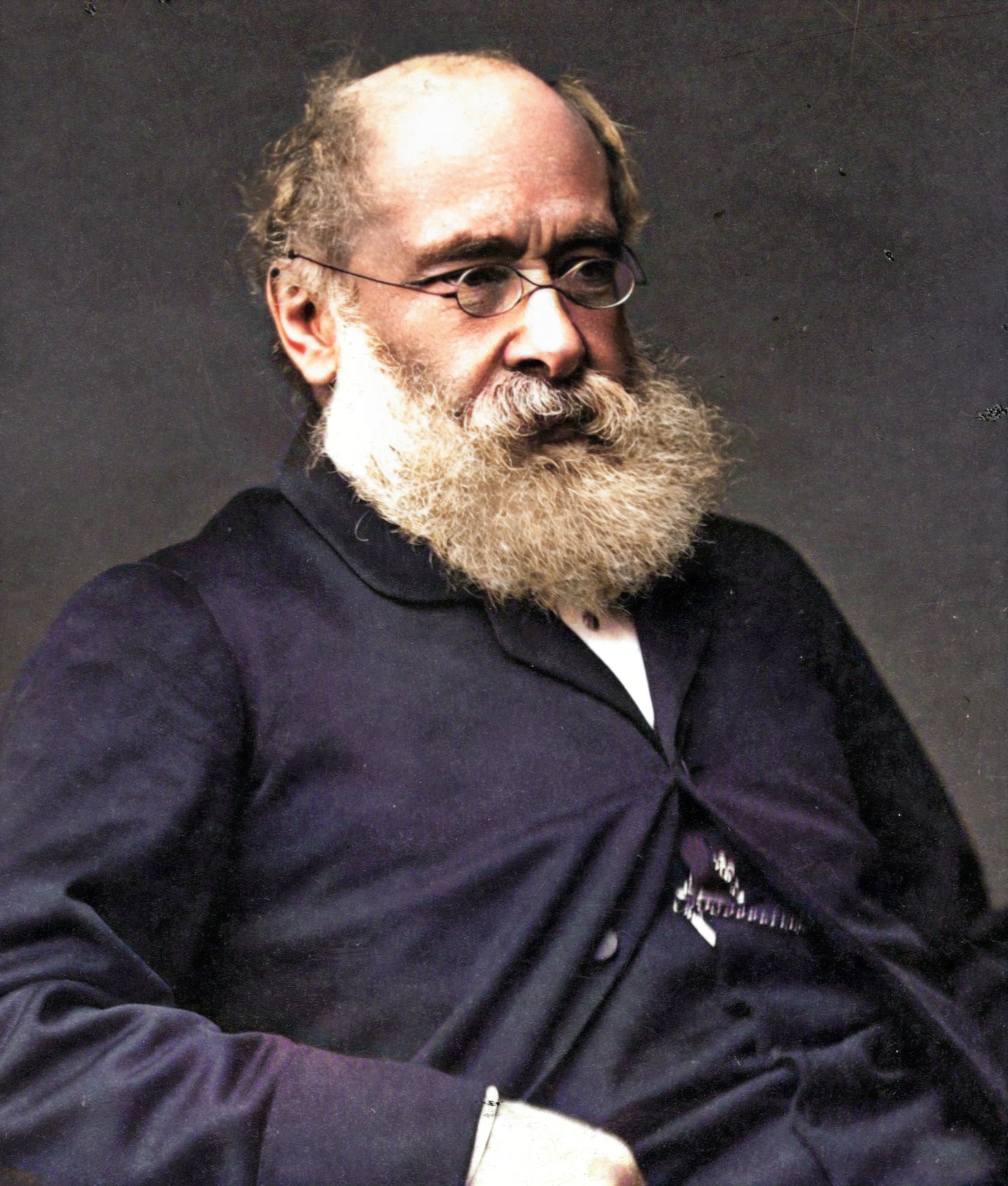
| 55 Quotes | |
| Occup. | Author |
| From | England |
| Spouse | Rose Heseltine (1844) |
| Born | April 24, 1815 London, England |
| Died | December 6, 1882 Marylebone, London, England |
| Cause | Heart failure |
| Aged | 67 years |
| Cite | |
Citation Formats
APA Style (7th ed.)
Anthony trollope biography, facts and quotes. (2026, February 11). FixQuotes. https://fixquotes.com/authors/anthony-trollope/
Chicago Style
"Anthony Trollope biography, facts and quotes." FixQuotes. February 11, 2026. https://fixquotes.com/authors/anthony-trollope/.
MLA Style (9th ed.)
"Anthony Trollope biography, facts and quotes." FixQuotes, 11 Feb. 2026, https://fixquotes.com/authors/anthony-trollope/. Accessed 28 Mar. 2026.
Early Life and Background
Anthony Trollope was born on April 24, 1815, in London, into a family whose respectability masked chronic instability. His father, Thomas Anthony Trollope, was a barrister who drifted into debt and disappointment; his mother, Frances Trollope, turned humiliation into industry, later writing best-selling travel and social books to keep the household afloat. The emotional weather of Trollope's boyhood was shaped by reversals of fortune and the peculiar loneliness of being simultaneously "well-born" and visibly hard up in a class-conscious England.Those early wounds never quite closed. Trollope remembered himself as awkward, often bullied, and furious at the genteel world that judged him while withholding the means to belong. Yet the same world supplied his lifelong subject: how institutions - family, church, law, Parliament - regulate desire and distribute honor. The boy who felt excluded became the adult anatomist of English belonging, attentive to the quiet cruelty of manners and the desperate arithmetic behind "good" marriages.
Education and Formative Influences
He was educated at Harrow and Winchester, but schooling amplified rather than cured his insecurity; he left without a clear path and spent several years as a poorly paid clerk in the General Post Office, drifting toward failure and drink. A turning point came in 1841 when the Post Office sent him to Ireland as a surveyor's clerk. In Ireland he found steady work, long rides across country, and a society whose political tensions sharpened his eye for patronage, sectarianism, and the moral theater of public life - the same materials he would later refashion as English provincial drama.Career, Major Works, and Turning Points
Trollope began writing while working for the Post Office, publishing The Macdermots of Ballycloran (1847) and The Kellys and the O'Kellys (1848), then gaining notice with The Warden (1855) and Barchester Towers (1857), the opening triumphs of his Barsetshire chronicles, later joined by Doctor Thorne (1858), Framley Parsonage (1861), and The Last Chronicle of Barset (1867). He paired this clerical universe with the political epic of the Palliser novels, from Can You Forgive Her? (1864-65) through The Prime Minister (1876), turning the mechanics of Parliament into intimate moral pressure. His routine was famously disciplined - early mornings, fixed word counts - even as his career expanded through travel books, short stories, and late experiments such as The Way We Live Now (1875), a blistering study of financial speculation and social complicity. In 1882 he died in London, leaving a body of work vast enough to feel like an alternate census of Victorian England.Philosophy, Style, and Themes
Trollope's realism was never mere transcription; it was an ethical method. He distrusted performative virtue, preferring the small evidences by which character is betrayed: a hesitation over money, an unguarded remark, the compromise that feels temporary but becomes a life. He writes as if society is a set of tests administered daily, and his greatest achievement is to show how ordinary people, not monsters, do most of the harm. The comedy is steady, but it is comedy with bills attached, because love, reputation, and income are braided in ways that Victorian propriety tried to deny.His narrators speak with an unembarrassed intimacy that doubles as psychological inquiry, and his aphoristic clarity reveals the private logic behind public manners. “No man thinks there is much ado about nothing when the ado is about himself”. That sentence could stand over his entire art: ego, injury, and self-justification drive plots more reliably than fate. He also understood that the grand pose is usually a disguise for weakness - “I think the greatest rogues are they who talk most of their honesty”. Yet he was no cynic about domestic decency; he simply insisted it be practical, earned, and survivable. His shrewd tenderness toward the everyday surfaces in his own ranking of pleasures: “I do like a little romance... just a sniff, as I call it, of the rocks and valleys. Of course, bread-and-cheese is the real thing”. It is a credo for a novelist who could admit the lure of melodrama while staking his genius on the daily meal - the compromises, habits, and duties from which enduring love or durable corruption is actually made.
Legacy and Influence
Trollope became one of the central architects of the Victorian novel, extending it into an instrument for institutional and psychological analysis without sacrificing narrative pleasure. His frank Autobiography (published posthumously in 1883) shocked some contemporaries with its talk of craft and income, but it helped modern readers see his ambition clearly: literature as skilled labor in the service of truth-telling about social life. Later novelists and critics - from Henry James, who argued with him, to twentieth-century realists and television adaptors who learned from his long-form architecture - returned to Trollope for his unmatched grasp of systems: how churches discipline conscience, how parties manufacture loyalty, how families negotiate money, and how individuals persuade themselves they are decent. His influence endures because he wrote the middle of life with uncommon courage, making ordinary choices feel momentous without pretending they are grand.Our collection contains 55 quotes written by Anthony, under the main topics: Witty One-Liners - Motivational - Truth - Wisdom - Love.
Other people related to Anthony: Louis Auchincloss (Novelist), Susan Hampshire (Actress), Joanna Trollope (Novelist), James Payn (Novelist)
Anthony Trollope Famous Works
- 1867 The Last Chronicle of Barset (Novel)
- 1864 The Small House at Allington (Novel)
- 1861 Framley Parsonage (Novel)
- 1858 Doctor Thorne (Novel)
- 1857 Barchester Towers (Novel)
- 1855 The Warden (Novel)
Source / external links