
Walter Savage Landor Biography Quotes 33 Report mistakes
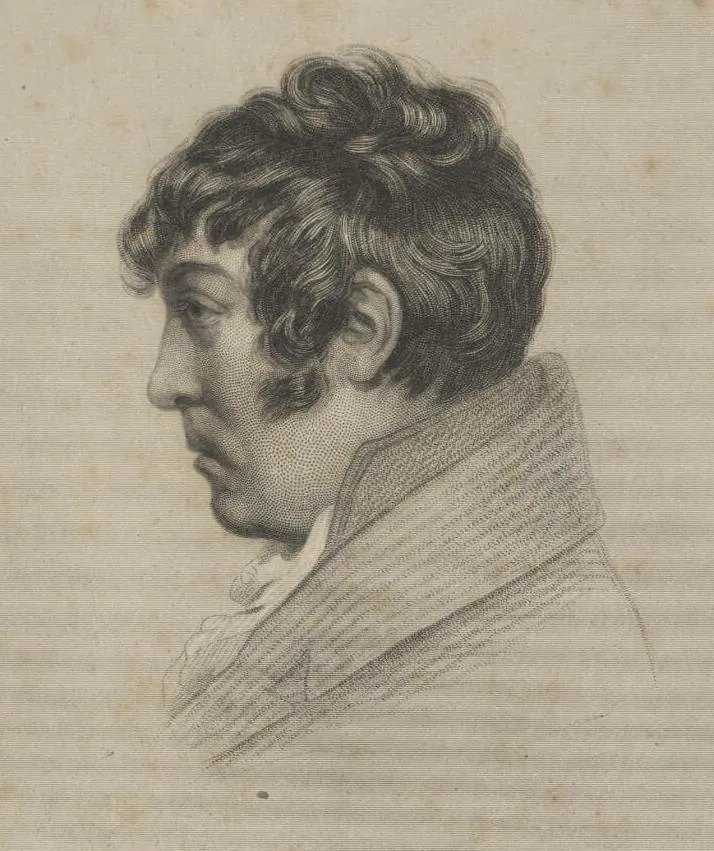
Attr: J. Brown
| 33 Quotes | |
| Occup. | Poet |
| From | England |
| Born | January 30, 1775 England |
| Died | September 17, 1864 Rome, Italy |
| Cause | Natural Causes |
| Aged | 89 years |
Walter Savage Landor was born in 1775 in Warwick, England, the eldest son of a prosperous family; through his mother, Elizabeth Savage, he took the distinctive middle name that he used throughout his literary life. From early on he showed both a classical bent and a willful independence. He attended Rugby School, where his brilliance was matched by a stubborn resistance to schoolroom discipline, and later went up to Trinity College, Oxford. At the university his flair for Latin verse and his vehement opinions gained him notice as well as trouble; after disputes with the authorities he left without taking a degree. That combination of erudition and defiance remained a lifelong signature.
First Publications and Radical Temper
In the 1790s Landor began publishing poetry in both English and Latin. His early and most distinctive poem, Gebir (1798), a visionary epic about a North African prince, baffled many readers yet captivated sympathetic critics. Robert Southey quickly became his admirer and friend, praising the boldness of Landor's imagination, while Samuel Taylor Coleridge, though rarely unreserved in his praise, recognized its singular music. Landor's politics were ardent and republican in spirit; he loathed tyranny in any form and wrote scornfully about the abuses of power. During the Peninsular War he traveled to Spain to aid the patriotic resistance against Napoleon, investing personal funds and energy in the cause. The enterprise, however, dissolved in frustration and muddle, an episode that hardened his distrust of officialdom and cemented his preference for the authority of letters over the imprecision of politics.
Llanthony and Disappointments
With an inheritance that arrived in adulthood, Landor attempted the life of a country gentleman and improver. He purchased property at Llanthony in the Welsh borderlands, ambitious to restore and cultivate the valley around the ruins of the ancient priory. The project began with promise but soon foundered in quarrels with neighbors and tenants, legal entanglements, and his own impatience with compromise. The pattern, common in his life, showed a gifted man whose passion for principle drove him into disputes that sapped finances and health. He married Julia and started a family, yet the household, like his estates, was frequently unsettled by moves, disagreements, and the demands of his writing.
Italy and the Making of a Prose Master
Seeking a more congenial climate for work and conversation, Landor eventually settled in Italy, living for many years near Florence. There he found the setting that nourished his mature prose. Surrounded by Renaissance art and the memory of classical antiquity, he composed the works that define his standing: the successive volumes of Imaginary Conversations, begun in the 1820s, a series of dialogues among historical and literary figures that let him fuse scholarship, dramatic instinct, and ethical passion. He followed them with books that interwove learning and invention: The Citation and Examination of William Shakespeare, Pericles and Aspasia, and The Pentameron. These writings gave voice to the dead without pedantry, making the past feel intimate and morally urgent.
Circle, Talk, and Reputation
Landor's rooms in Florence and later in Bath were renowned for talk as uncompromising as his prose. Visitors and correspondents included Henry Crabb Robinson, who recorded his lively table talk; Ralph Waldo Emerson, who admired Landor's severe love of truth; and Thomas Carlyle, who recognized in him another fearless scourge of cant. After Robert Browning and Elizabeth Barrett Browning settled in Florence, they sought Landor's company and celebrated his courage in letters and poems. In London and the provinces he was also known to Charles Lamb and to William Wordsworth by reputation and report, even when his own judgments about English contemporaries were sharp. Charles Dickens, who valued Landor's generosity and thunderous amiability, later immortalized him as the expansive Lawrence Boythorn in Bleak House, a tribute that delighted and amused its model.
Controversy and Restlessness
A temper quick to indignation kept Landor in periodic trouble. He had the habit of turning private grievances into public lampoons, and more than once his pen brought him to the edge of the courts. A libel quarrel in Florence compelled his departure for England; other ruptures with neighbors or printers followed. The same spirit animated his fierce epigrams and political broadsides, where he could be as unyielding with friends as with foes. Domestic life was turbulent: his marriage deteriorated, and separations from his wife and children punctuated his later years. Yet those who knew him well observed a countervailing generosity, a tested loyalty to those he respected, and a readiness to give money or effort to causes and individuals he believed deserving.
Poetry, Latin, and Late Harvest
Although his fame rests chiefly on his prose, Landor never ceased to consider himself a poet. He composed a continuous stream of lyrics, odes, and epitaphs, many of them brief, crystalline, and steeped in the cadences of Greek and Latin literature. He also wrote substantial Latin verse with a purity of diction that won the admiration of classical scholars. In old age he gathered his writings into new volumes and added fresh sequences: Hellenics, The Last Fruit off an Old Tree, Dry Sticks Fagotted, and Heroic Idylls. These books, part miscellany and part testament, show the same lapidary craft, mixing tenderness for friends and animals with withering contempt for fraud and tyranny.
Style and Intellectual Bearings
Landor's pages, especially in the Imaginary Conversations, practice a prose modeled on ancient restraint. He distrusted ornament for its own sake and wrote sentences that feel carved, not spun. His dialogues rarely aim for plot; rather, they present character and judgment, granting to figures like Pericles, Milton, or Lucian the means to think aloud with a clarity that implies morals without preaching them. He exalted independence of mind, the sovereignty of taste and conscience, and the obligation of the strong to protect the weak. Those commitments, unshakeable even when impractical, made him a difficult neighbor and a great moralist in letters.
Final Years and Death
The last decade of his life saw renewed wanderings between Italy and England, brief reconciliations and new quarrels, and an undimmed desire to publish. Old friends and admirers, among them Dickens and the Brownings, helped shield him from the worst effects of legal and financial storm. Age did not tame his voice; it abbreviated it. The epigram became his natural measure, a unit equal to swift indignation and equally fit for affection. Landor died in 1864 in Florence and was laid to rest in the city's English Cemetery, an apt resting place for an English classicist who made a second homeland among Tuscan hills.
Legacy
Landor never commanded a broad public, but he shaped a lineage of writers for whom style is an ethical act. Poets and critics of the later nineteenth century, among them Algernon Charles Swinburne, esteemed his purity of phrase and his fearless candor. Readers continue to turn to him for the example of a mind that, armed with classical measure and personal courage, refused both tyrant and trend. His best dialogues feel like recovered conversations with the past and, at the same time, provocations to the present, reminders that literature can be a form of clear thinking spoken aloud.
Our collection contains 33 quotes who is written by Walter, under the main topics: Ethics & Morality - Wisdom - Truth - Justice - Music.
Other people realated to Walter: Marguerite Gardiner (Writer)
Walter Savage Landor Famous Works
- 1863 Heroic Idyls (Poetry)
- 1847 Hellenics (Poetry)
- 1836 Pericles and Aspasia (Fiction)
- 1824 Imaginary Conversations (Prose)
- 1798 Gebir (Poetry)
Source / external links